
Weld Inspection
Advanced Ultrasonic Weld Inspection with PAUT, FMC and TFM
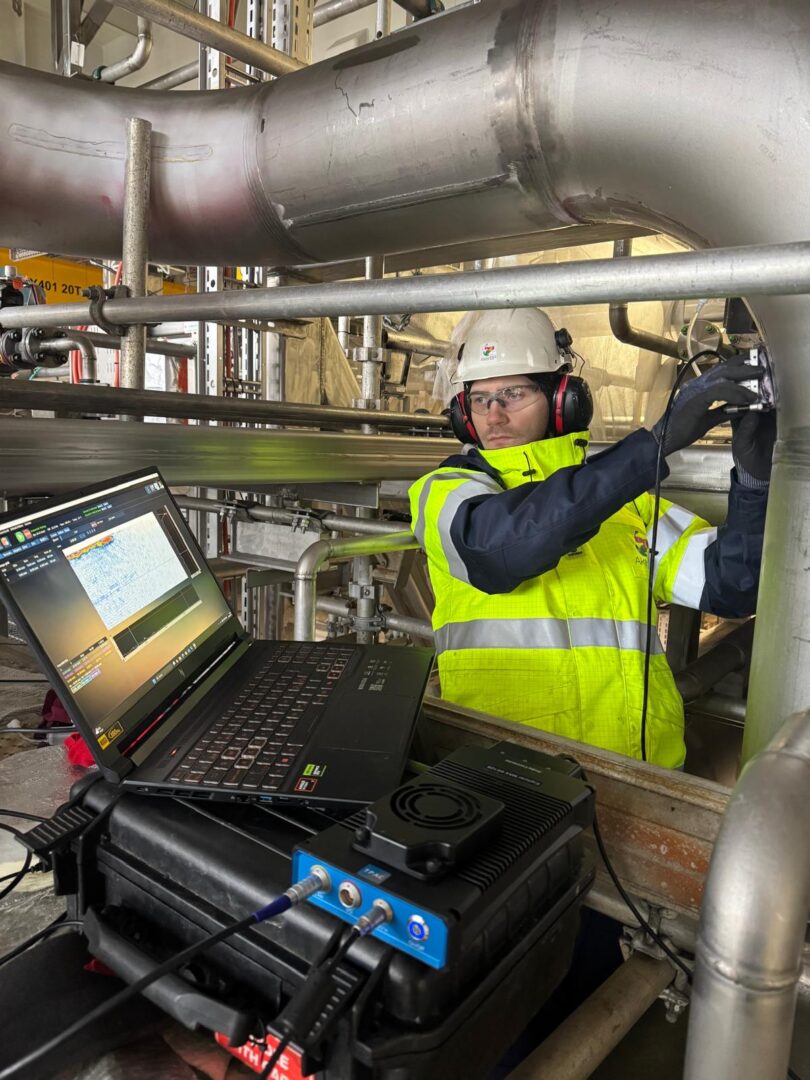
Weld inspection requires more than detecting an indication. Inspectors must achieve reliable weld-volume coverage, maintain sensitivity across the region of interest, distinguish relevant reflectors from geometry, and generate data that supports accurate characterization and sizing.
TPAC combines the Explorer Max ultrasonic acquisition platform with Prelude weld inspection software to support advanced encoded and automated inspections using Phased Array Ultrasonic Testing (PAUT), Full Matrix Capture (FMC), Total Focusing Method (TFM), Plane Wave Imaging (PWI) and adaptive imaging techniques.
Built for demanding weld configurations, high acquisition rates and advanced reconstruction workflows, the solution helps inspection teams collect clear, rich and fully encoded ultrasonic data without compromising inspection productivity.
Ultrasonic Inspection of Challenging Weld Configurations
Weld geometry, material properties, surface condition and flaw orientation all influence ultrasonic coverage and response.
A suitable inspection strategy must consider the weld profile, heat-affected zone, expected discontinuities, acoustic access, probe selection, wedge configuration and applicable acceptance criteria.
TPAC solutions can be configured to inspect:
- Butt welds and girth welds
- Fillet welds
- Pressure vessel welds
- Carbon steel welds
- Austenitic stainless steel welds
- Cast austenitic stainless steel (CASS) welds
- Welds on flat surface
- Welds on curved and irregular surfaces.
Linear arrays, Dual Linear Arrays, Dual Matrix Arrays, 2D matrix arrays and application-specific probe configurations can be integrated according to the required coverage and inspection technique.
Detect and characterize weld defects with TPAC
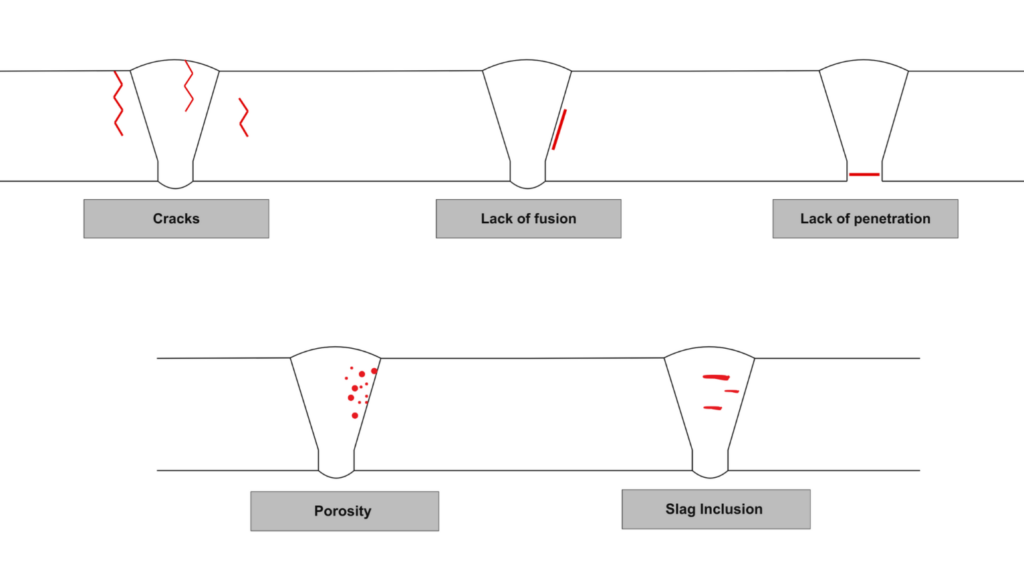
Ultrasonic weld inspection requires reliable detection and characterization of discontinuities with varying morphologies and acoustic responses. TPAC combines high-speed PAUT, FMC/TFM imaging and highly advanced data acquisition capabilities to support comprehensive weld coverage, high inspection productivity and enhanced data quality.
- Cracks
- Lack of fusion, including sidewall and inter-run lack of fusion
- Incomplete or lack of penetration
- Porosity
- Slag inclusions
Explorer Max - High-Speed Ultrasonic Acquisition for Weld Inspection
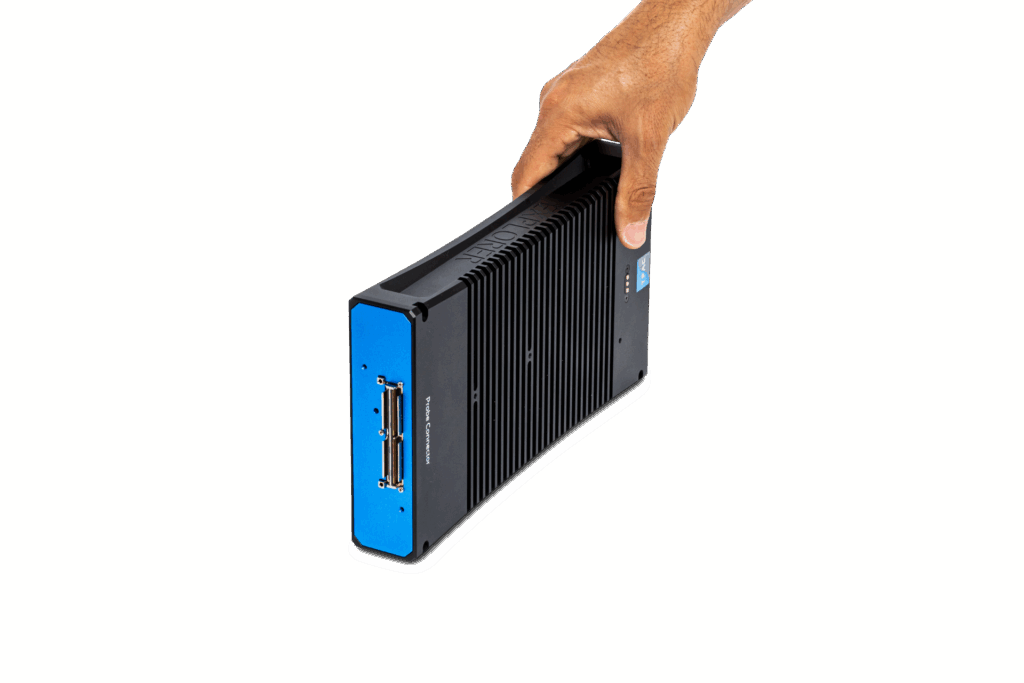
The Explorer, available in configurations ranging from 16/64 to 128/128 and 64/256, provides all the firepower and range you need to address any weldment, from 0.25” to 2” wall thickness carbon steel, austenitic steel, and CASS (Cast Austenitic Stainless Steel).
The Explorer Max is TPAC’s compact, highest-speed phased array and FMC acquisition platform. For a 1/2-inch weld inspected at 60°, the Explorer Max achieves an inspection speed of more than 100 mm/s.
Designed for advanced ultrasonic inspections in the field, on scanners, in automated systems and in robotic environments, it combines high data throughput, advanced PAUT and FMC/TFM acquisition, and scalable multi-probe architectures.
- With PAUT, the high throughputs allow for fast PAUT scan speeds without having to resort to A-Scan Compression or Decimation
- With FMC/TFM the throughput allows for natively storing all raw A-Scans to preserve the ability to reprocess the data in analysis.
Prelude: Weld Inspection Acquisition and Analysis Software
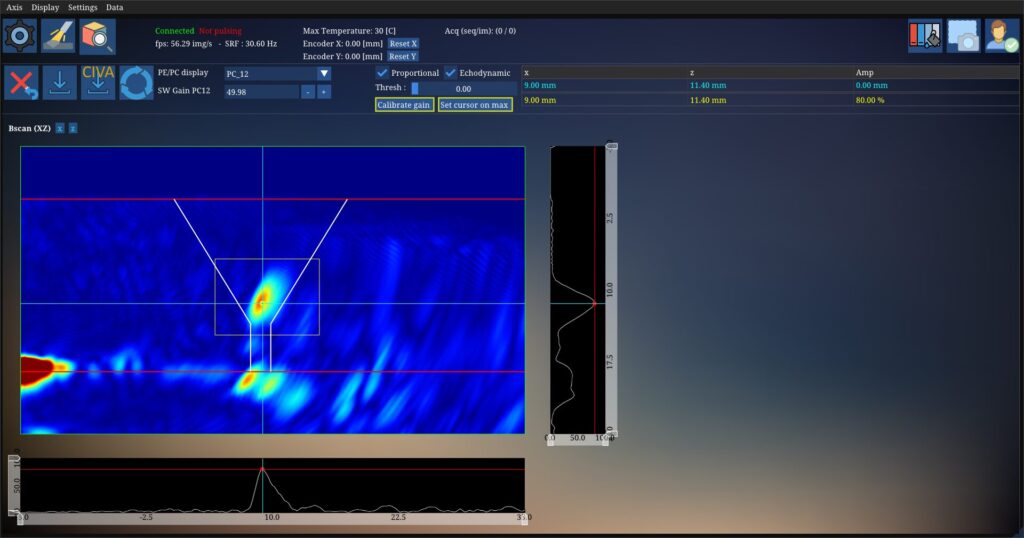
Prelude Features
- Operator-friendly inspection mode
- Ultra-fast FMC, TFM and PWI
- High-quality ultrasonic imaging
- Advanced imaging methods, including PCI
- Adaptive TFM processing up to 200 Hz
- DLA and adaptive DLA workflows
- Export to CIVA
- Open HDF5 file format
Latest Prelude Platform Capabilities
The latest Prelude platform extends these capabilities for multi-technique and large-scale inspection configurations, enabling inspectors to combine multiple acquisition modes, probes and instruments within a single workflow.
- Supports PA, FMC, TFM & PWI
- Multi-group acquisition for complex inspection setups
- Simultaneous multi-acquisition across several channels
- Multi-hardware connectivity: operate several devices in parallel
- Comprehensive calibration tools: probe, wedge and TCG calibration
- Concurrent PA & TFM acquisition for faster, richer data collection
- Support for linear, dual linear, dual matrix and 2D matrix probes
- Multi-probe and multi-mode inspection configurations
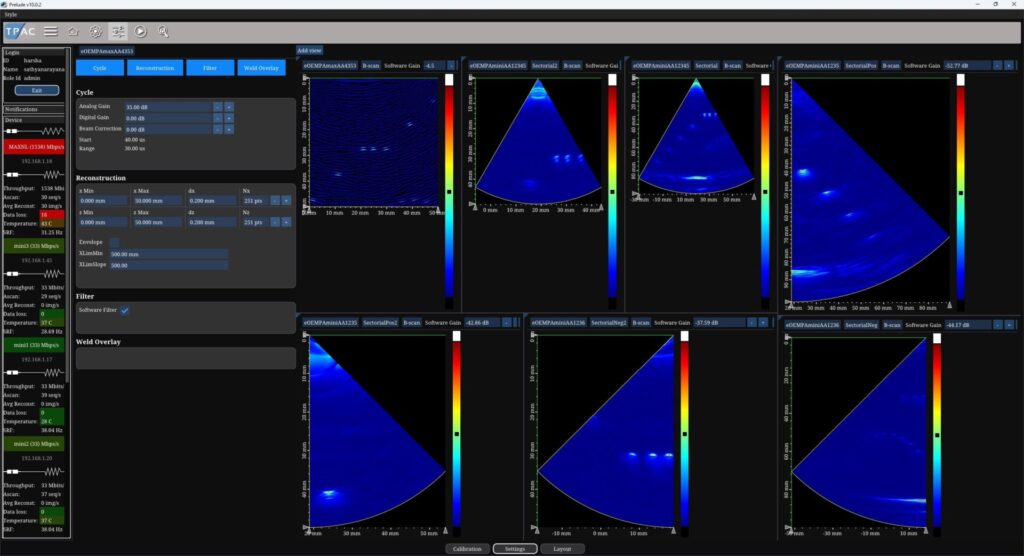
ADVANCED ULTRASONIC IMAGING FOR WELD INSPECTION
Advanced imaging technologies such as Full Matrix Capture (FMC), Plane Wave Imaging (PWI), Total Focusing Method (TFM) and multiple others greatly improve the detection and sizing of the defects that can be found in welds.
The latest technologies such as Adaptive TFM (ATFM) furthers pushed the boundaries of ultrasonic inspection allowing for imaging below the weld cap, an area very difficult or even impossible to reach using other methods.
Paired with Prelude, check how the Explorer Max delivers fast results on the most challenging surfaces in the oil & gas and power generation industries.
Q&A - TPAC SOLUTIONS FOR WELD INSPECTION
In that case we have our own Rapid Application Development platform (RAD) that allows us to deliver an inspection software just right for what you need.
TPAC: Ensuring the Future of Weld Inspection
With TPAC’s advanced solutions, industries worldwide can achieve a new level of confidence in the integrity of their welds. The company’s commitment to innovation, coupled with its comprehensive portfolio and expert team,
ensures that clients receive not just a product but a partnership dedicated to their success.
This quantitative approach to weld inspection facilitates objective decision-making and enhances quality control processes.